The Experience Economy Shift: Elevating Singapore Events Through Intelligent Magic
In a destination like Singapore—where premium experiences are expected, not exceptional—the benchmark for events has evolved. Stunning venues and curated menus are no longer enough to differentiate. What truly defines a successful event today is its ability to command attention, sustain engagement, and leave a lasting cognitive imprint.
This is where contemporary magic, particularly high-level mentalism, is reshaping expectations.
From Entertainment to Immersion
Modern audiences don’t just want to watch—they want to feel involved. Traditional stage performances often create distance, but elite magic collapses that gap entirely.
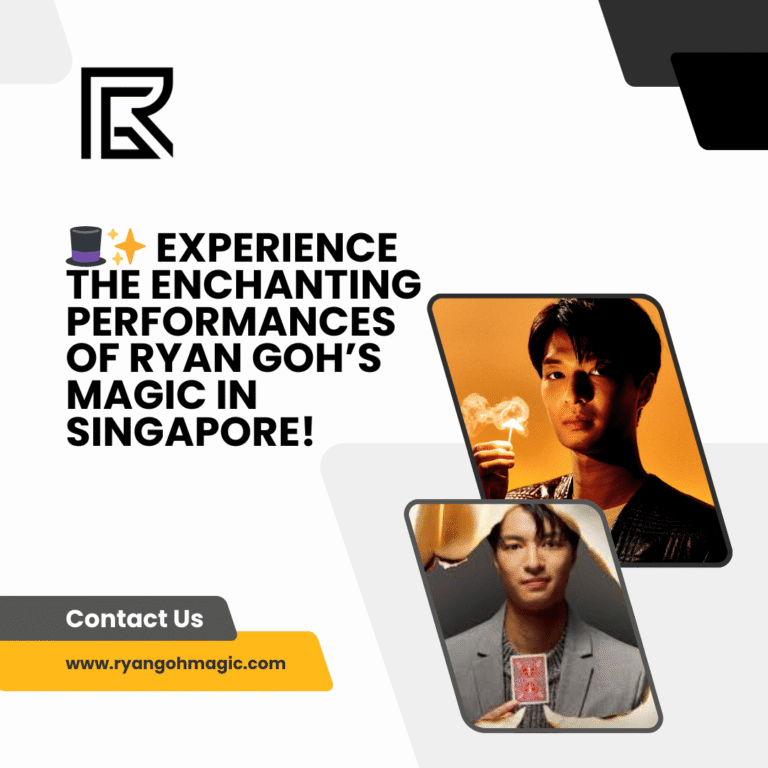
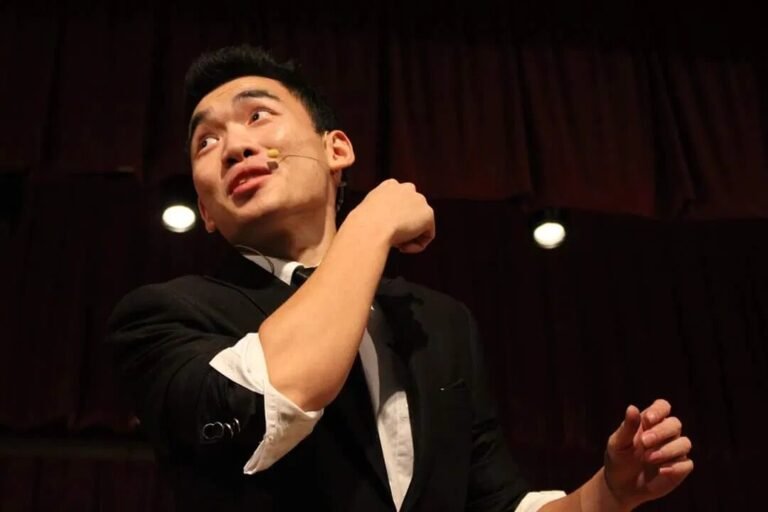
Performers like Ryan Goh operate within the audience space itself, transforming passive observers into active participants. A guest’s own thoughts, choices, or belongings become part of the experience. This immediacy creates a psychological hook—attention becomes voluntary, not forced.
The result isn’t just entertainment; it’s immersion.
Precision Over Spectacle
Today’s high-end events favor subtlety over extravagance. The appeal lies not in grand illusions, but in moments that feel impossibly real.
- Personalized Interactions: Effects unfold using objects already in guests’ possession, removing any sense of staging.
- Cognitive Engagement: Mentalism introduces ideas of perception, decision-making, and influence—stimulating curiosity rather than just surprise.
- Adaptive Delivery: Whether it’s a boardroom setting or a private celebration, the performance integrates seamlessly into the event flow.
This refined approach aligns perfectly with Singapore’s sophisticated event culture.
Engineering Social Energy
A recurring challenge at premium gatherings is breaking initial social inertia. Guests often default to familiar circles, limiting the overall energy of the room.
Strategic magic acts as a social accelerator. Shared moments of astonishment create immediate common ground between strangers. Conversations start organically, without the awkwardness of forced networking.
Instead of managing engagement, event planners can allow it to emerge naturally.
A Tool for Brand Differentiation
Forward-looking companies are beginning to treat magic as more than just entertainment—it’s becoming part of experiential marketing strategy.
- Interactive Product Launches: Products can be introduced through direct, hands-on revelations.
- Narrative Integration: Brand messages are embedded within the experience, making them memorable and emotionally resonant.
- Audience Retention: Guests don’t just remember what they saw—they remember how it felt.
This approach transforms brand communication from passive exposure into active participation.

Beyond the Event Timeline
The most valuable events don’t end when the lights go down—they continue through memory, conversation, and shared storytelling. Elite magic excels in creating these “after-effects.”
Because the experience is personal and often inexplicable, guests revisit it mentally, discuss it socially, and associate it with the event long after it concludes.
In a landscape saturated with visual stimuli, what endures is not what was seen—but what was felt.
For planners operating at the top tier, the objective has shifted. It’s no longer about adding more elements—it’s about elevating impact.
Through a deliberate blend of psychology, interaction, and refined performance, Ryan Goh exemplifies how modern magic is redefining event engagement in Singapore —turning attention into the most valuable currency in the room.